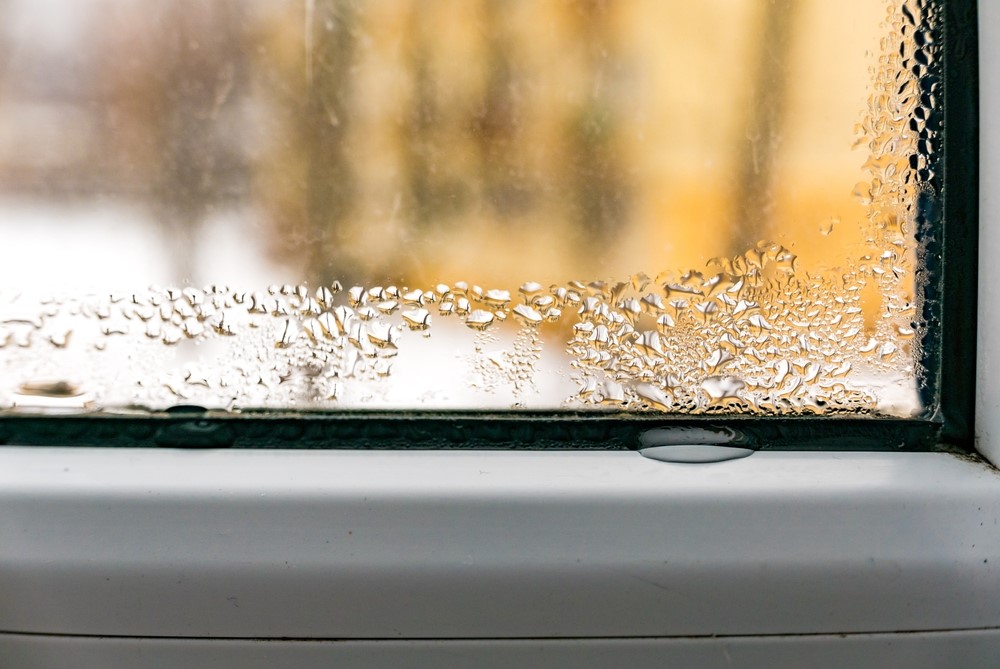
Window condensation is a common concern for homeowners, especially during periods of extreme heat or cold. Seeing moisture collect on your windows can make it seem like something is wrong with the glass or installation, but that is not always the case.
In many situations, condensation is simply the result of moisture in the air coming into contact with a cooler window surface. Understanding why it happens can help you better manage indoor humidity and protect your windows and home from excess moisture.
What Causes Condensation on Windows?
Condensation forms when warm, moisture-filled air comes into contact with a cooler surface.
It is the same reason water droplets appear on the outside of a cold drink during the summer. When the air reaches a point where it can no longer hold all of its moisture, the excess water vapor collects on the cooler surface.
In your home, that cooler surface may be your window glass.
How Does Humidity Affect Window Condensation?
Humidity refers to the amount of water vapor in the air. Relative humidity measures how much moisture the air is currently holding compared to the maximum amount it can hold at a specific temperature.
Because colder air holds less moisture than warmer air, changes in temperature can have a major impact on whether condensation forms.
Homeowners can monitor indoor humidity levels using tools such as hygrometers or thermostats with humidity sensors.
Why Do New Windows Have Condensation?
One of the most common questions homeowners ask after replacing their windows is:
Why do my new windows have condensation when my old windows did not?
In many cases, new window condensation does not mean there is a problem with the windows.
Older windows may have allowed air and moisture to escape through gaps or leaks. Newer energy-efficient windows are designed to be much more airtight.
Because less air escapes, indoor moisture may remain inside the home and become more noticeable on the glass surface.
In other words, condensation on new windows can actually be a sign that the windows are doing a better job of limiting air leakage.
What Causes Window Condensation in the Summer?
Summer window condensation can occur when your air conditioner cools the glass surface below the temperature of the outdoor air.
When warm, humid outdoor air comes into contact with the cooler glass, moisture can form on the window.
Homeowners may be able to reduce summer condensation by:
- Raising the thermostat slightly
- Using exterior shutters
- Adding exterior shade
- Using trees or landscaping to reduce direct exposure
These adjustments can help keep the window surface warmer and reduce the likelihood of condensation.
What Causes Window Condensation in the Winter?
Winter condensation typically occurs when warm, humid indoor air comes into contact with colder window glass.
For example, if the outdoor temperature is around 30°F and the indoor temperature is around 70°F, condensation may begin to form on a double-pane energy-efficient window when indoor relative humidity rises above approximately 58%.
The type of window glass can also influence when condensation may appear.
Glass Type | Potential Condensation Level at 30°F |
|---|---|
Single Pane | Above 32% humidity |
Double Pane | Above 58% humidity |
Triple Pane | Above 72% humidity |
What Indoor Humidity Level Should You Maintain in Winter?
As outdoor temperatures decrease, homeowners may need to reduce indoor humidity to help prevent condensation.
General recommendations from the source include:
Outside Temperature | Suggested Indoor Humidity |
|---|---|
-20°F or Below | Not over 15% |
-20°F to -10°F | Not over 20% |
-10°F to 0°F | Not over 25% |
0°F to 10°F | Not over 30% |
10°F to 20°F | Not over 35% |
20°F to 40°F | Not over 40% |
Why Bay and Bow Windows May Have More Condensation
Bay and bow windows can sometimes experience more condensation than other window styles.
Because these windows project outward from the insulated wall of the home, air circulation around them may be more limited and the window surface may remain cooler.
Closing blinds or drapes tightly around bay and bow windows can also restrict airflow and contribute to moisture buildup.
If that moisture is allowed to remain, it can potentially damage wood components around the window.
How to Reduce Window Condensation in Your Home
The best way to reduce condensation is to manage indoor humidity and improve airflow throughout your home.
A few practical steps include:
- Use exhaust fans in bathrooms, kitchens, and laundry rooms
- Vent clothes dryers and gas burners outdoors
- Reduce or turn off humidifiers when humidity is too high
- Improve ventilation in attics, basements, and crawl spaces
- Use ceiling fans to improve air circulation
- Open blinds and drapes during colder weather
- Increase airflow across window surfaces
- Air out your home when outdoor conditions allow
- Adjust the indoor temperature when necessary
Can Window Condensation Cause Damage?
Occasional condensation may be normal, but continuous moisture buildup should not be ignored.
Excess moisture can contribute to:
- Mold growth
- Water damage
- Wood rot
- Damage around window frames and surrounding materials
Maintaining indoor humidity between approximately 30% and 50% can help reduce the risk of moisture-related problems in the home.
When Should You Be Concerned About Window Condensation?
Condensation on the interior or exterior surface of a window is often related to temperature and humidity conditions.
The key is to pay attention to how often it happens and whether moisture is accumulating for extended periods.
If condensation is persistent, improving ventilation and reducing indoor humidity can help protect your windows and surrounding materials.
Have Questions About Window Condensation?
Understanding condensation can help homeowners better manage indoor comfort, humidity, and window performance.
If you have questions about condensation on your windows or want to learn more about how energy-efficient windows perform in different seasons, call our team or fill out a quote form on our website to speak with a window professional.
Tags
Subscribe to All County Exteriors's Blog






Comments